
Indoor Cricket Facilities
Turn an old storage space into an awesome cricket facility. We design and build indoor cricket venues across the United States, from single-lane training setups to full multi-lane centres, for investors, clubs and academies.
Cricket in America is growing faster than the infrastructure that serves it. The people who build that infrastructure now will be the ones the sport grows around.
That empty building might be a cricket business
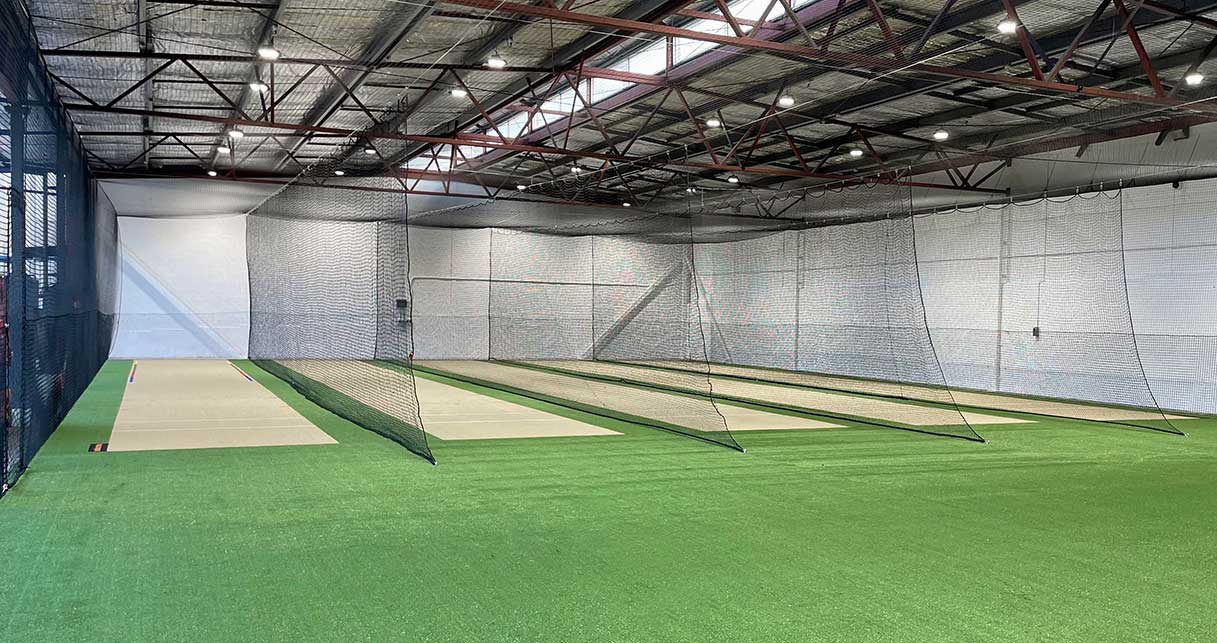
Warehouses, steel sheds, industrial units and old storage spaces have the two things indoor cricket needs most: length and height. Across the country, buildings that sat underused are being converted into bookable lanes, league venues and academies. We'll give you an honest read on whether your building, or one you're looking at, can make the jump.
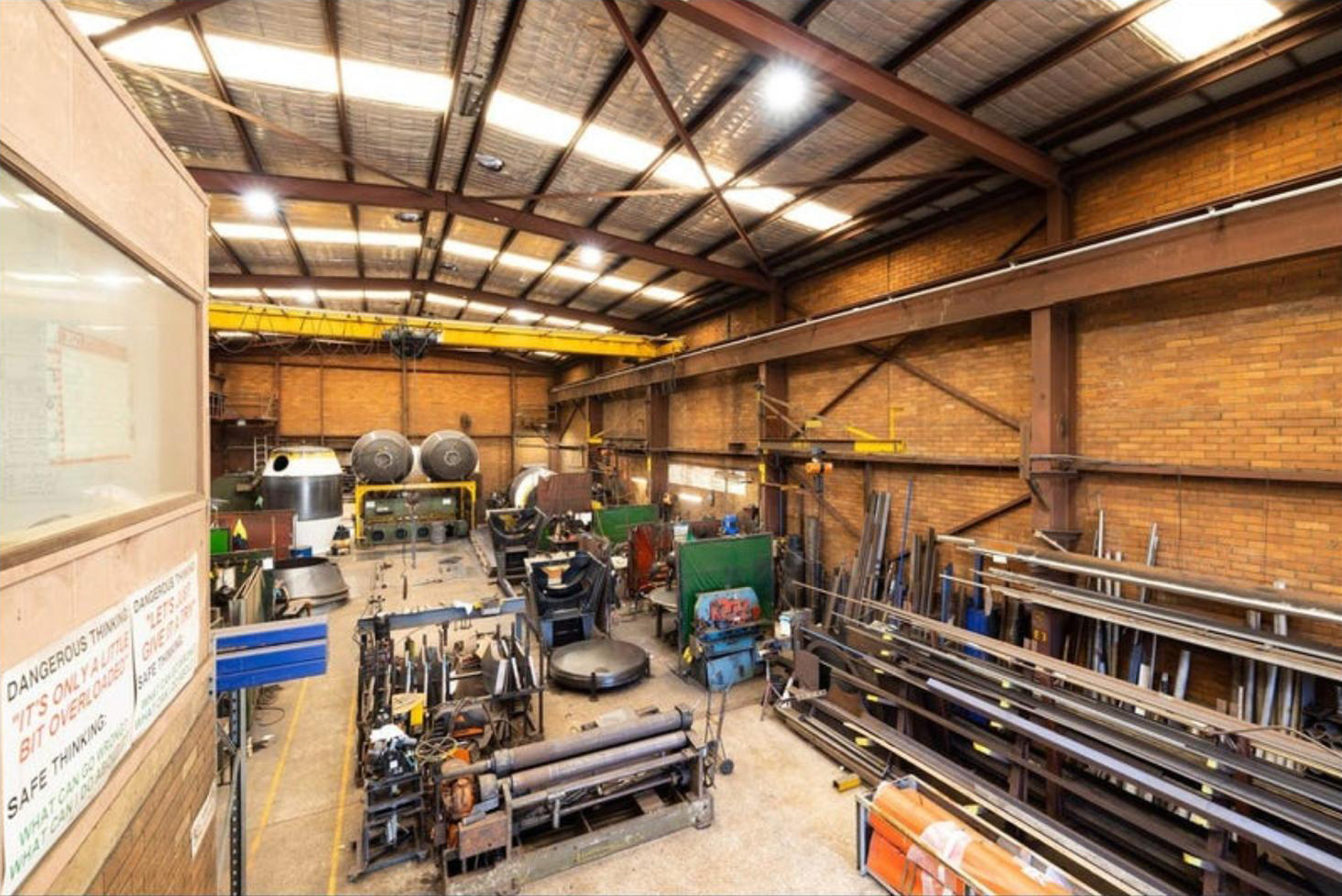 Before
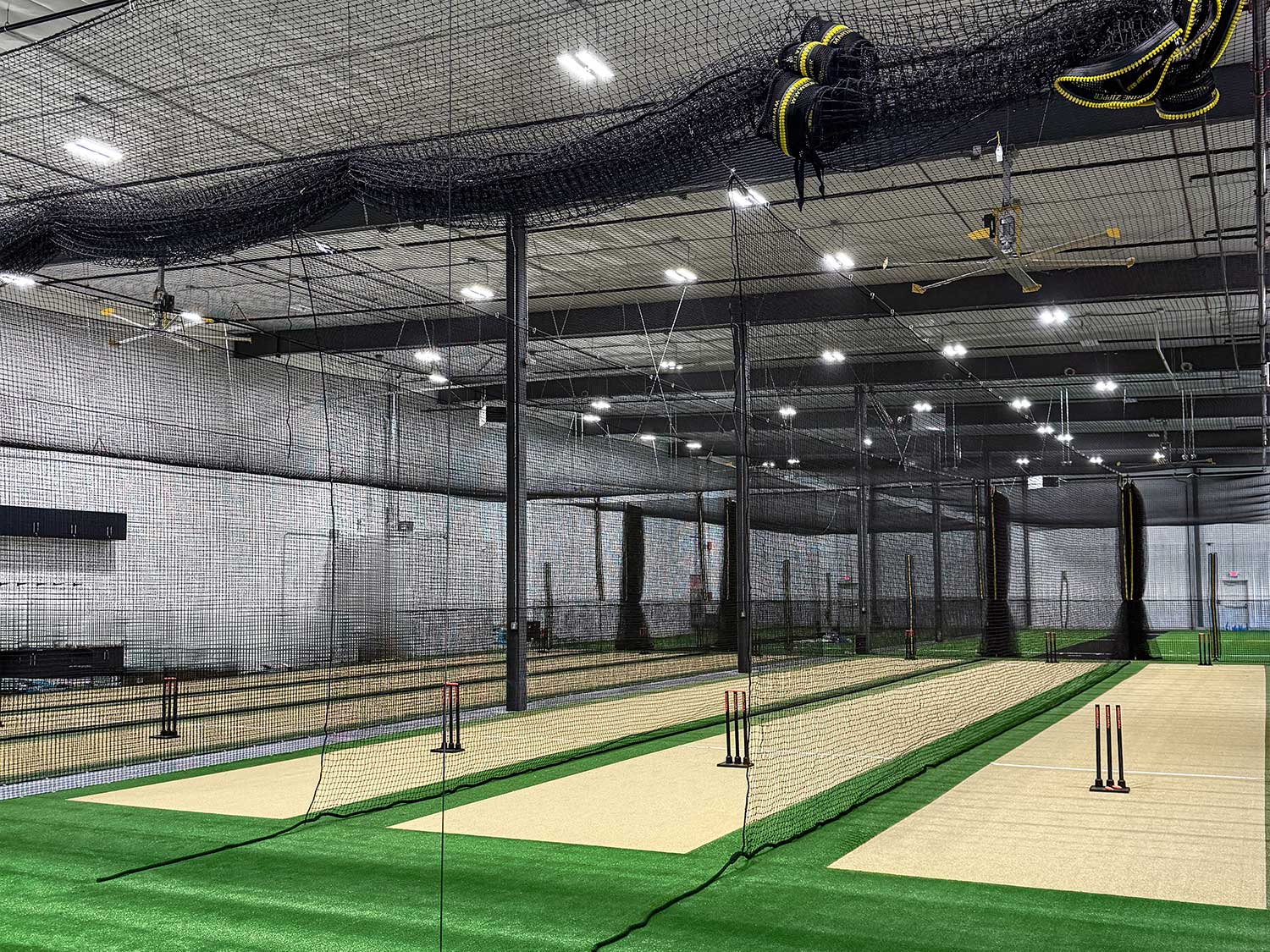
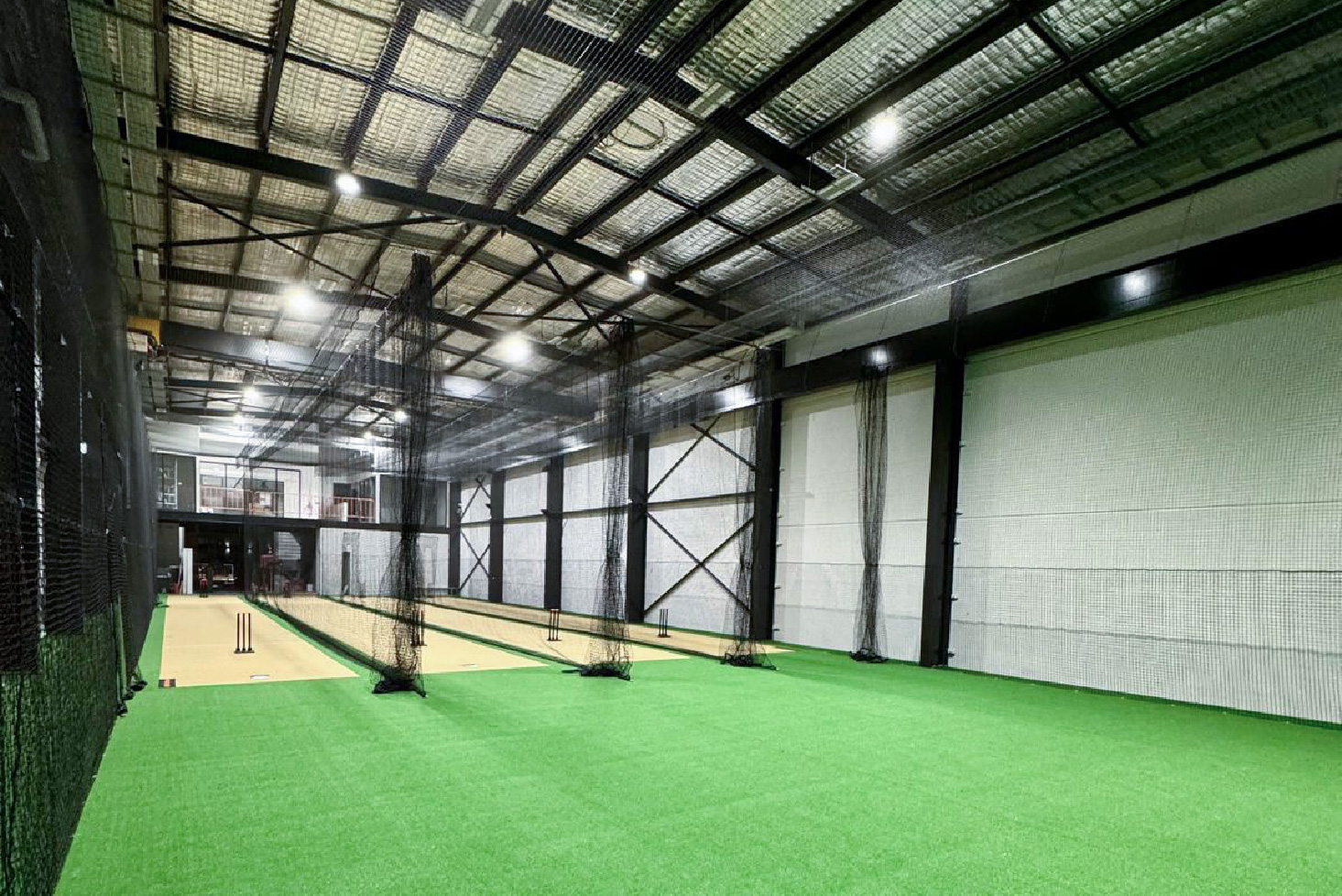 After
After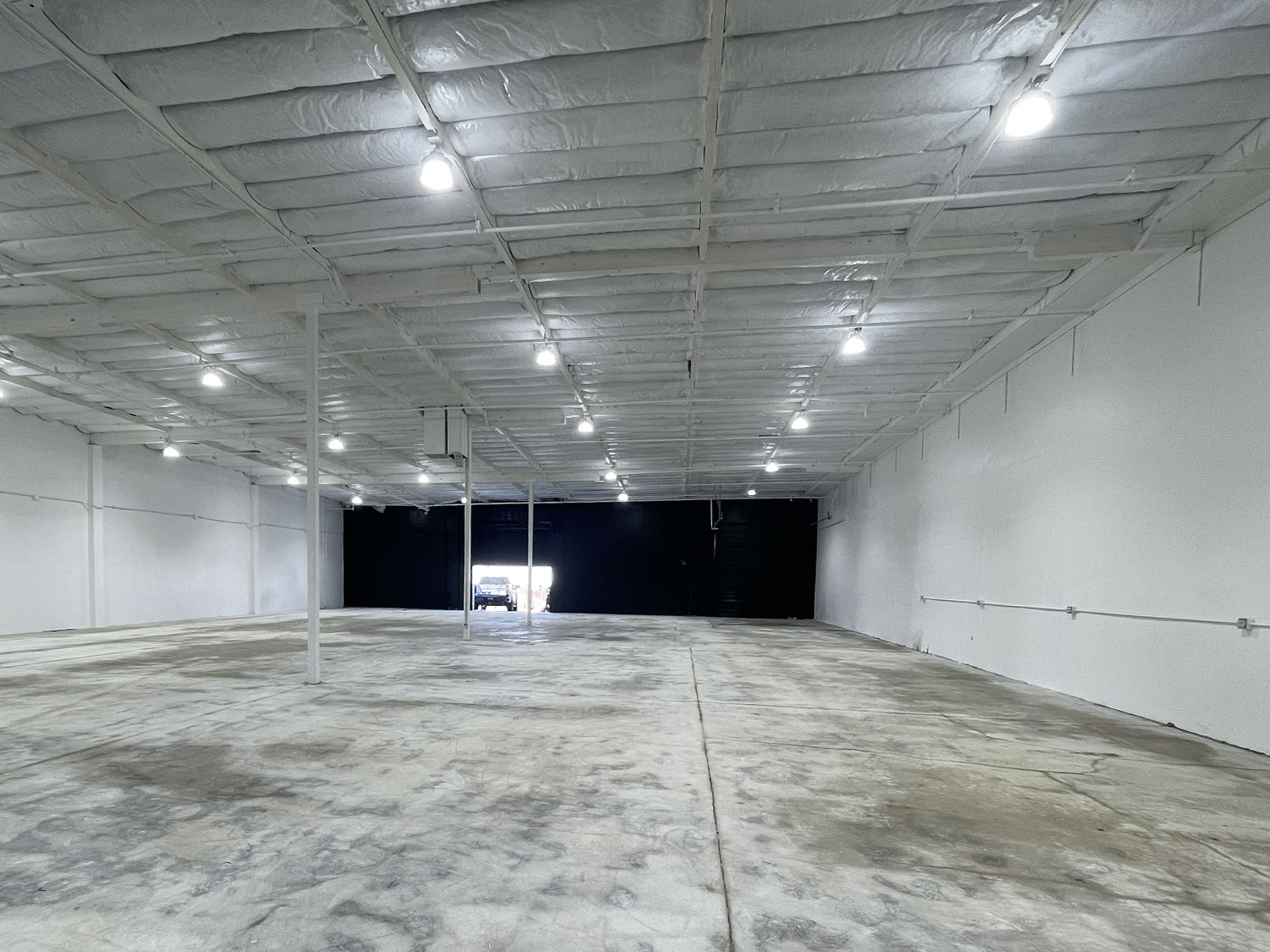 Before
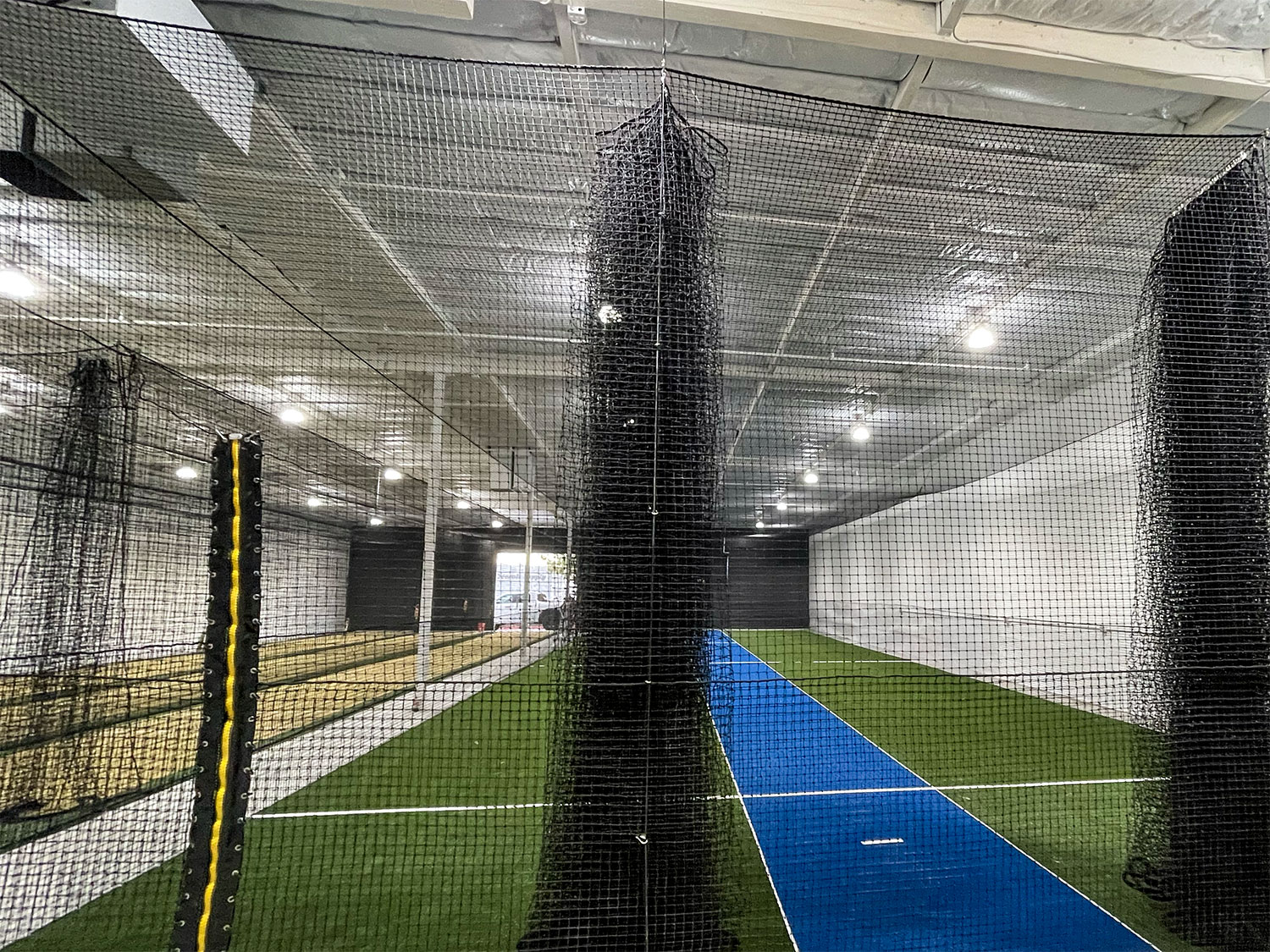 After
After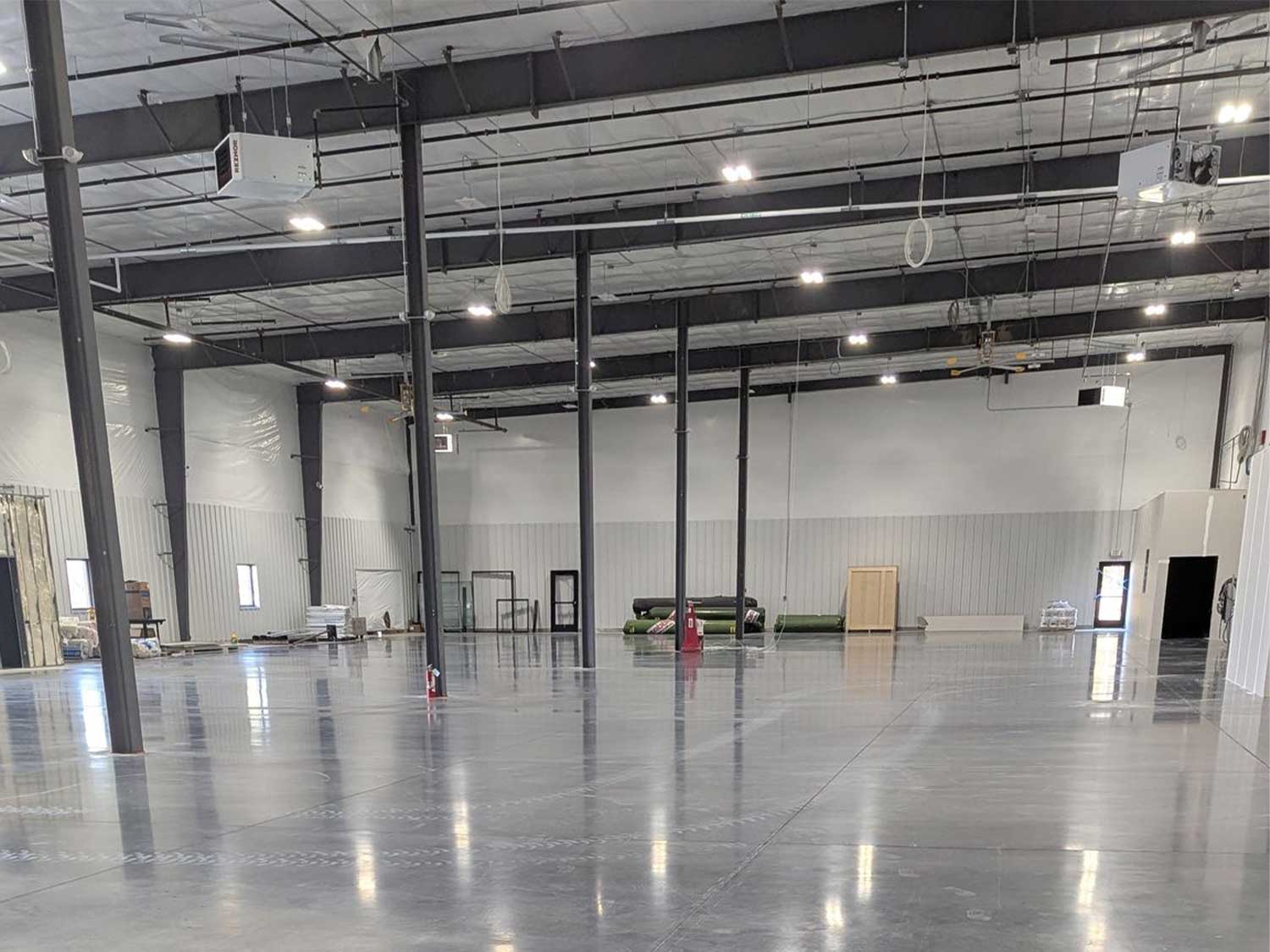 Before
 After
After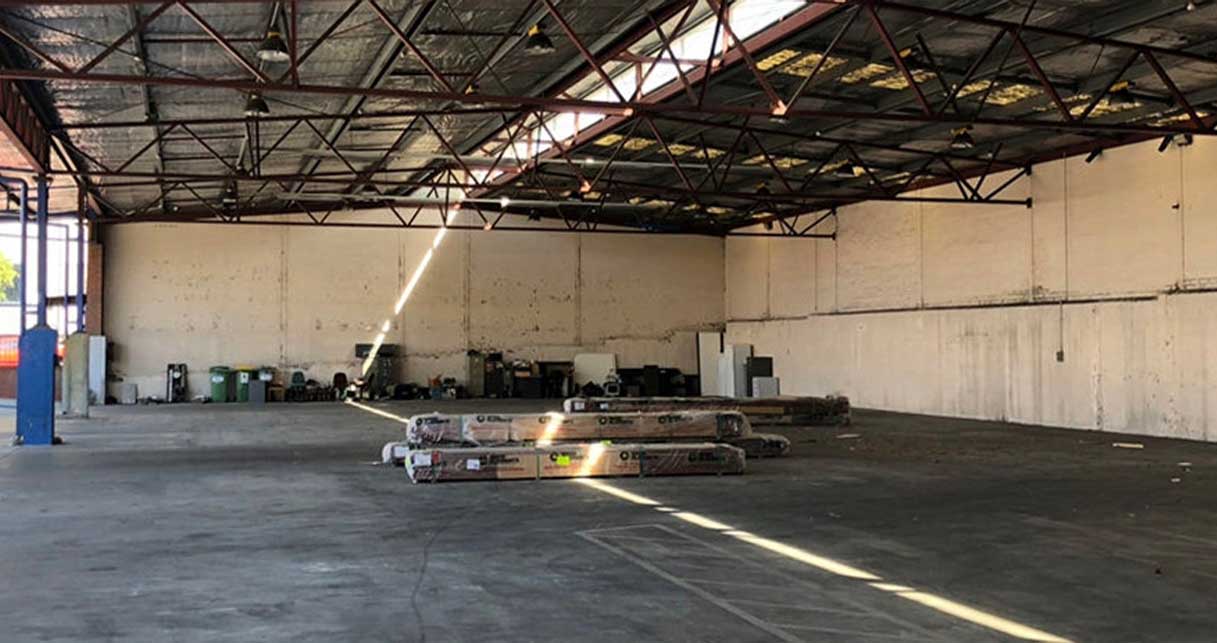 Before
 After
After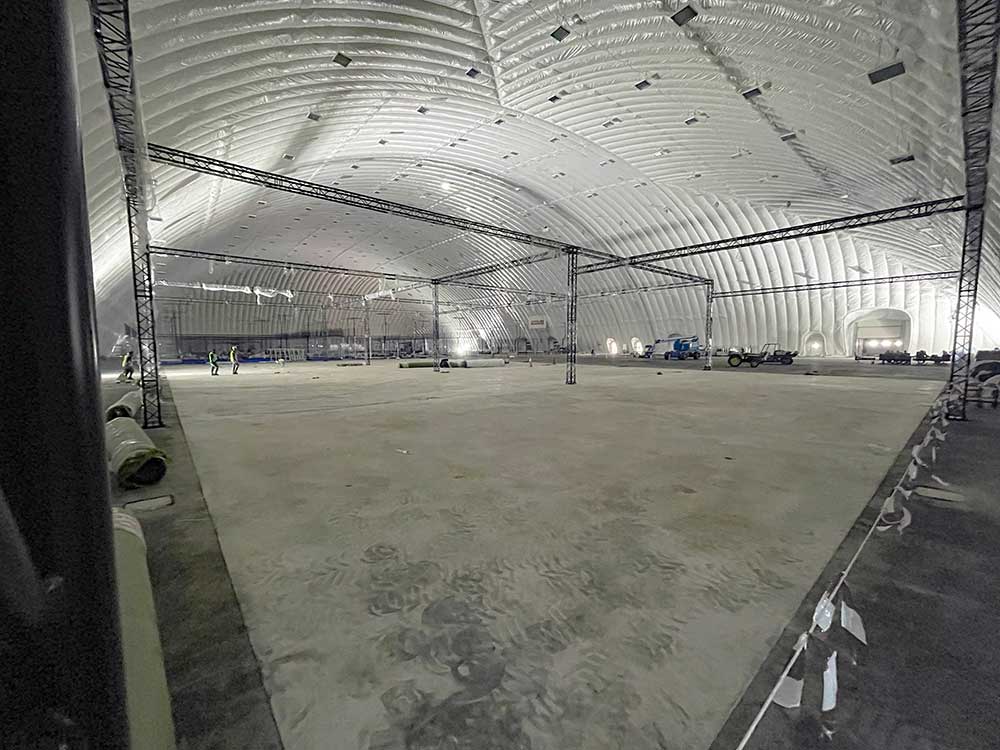 Before
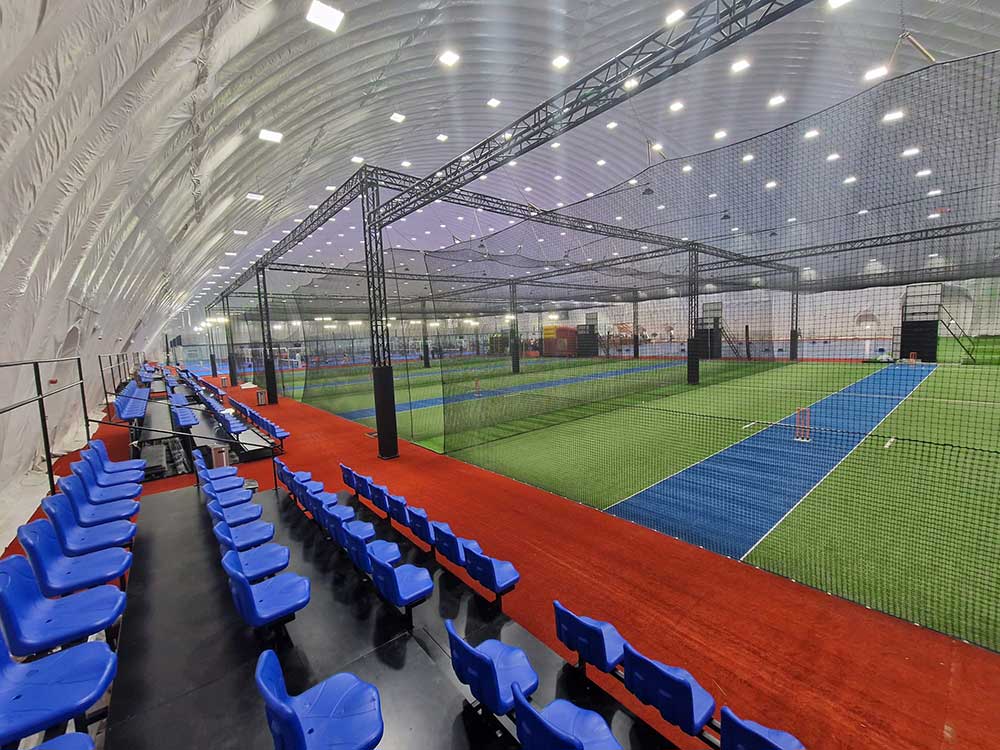 After
After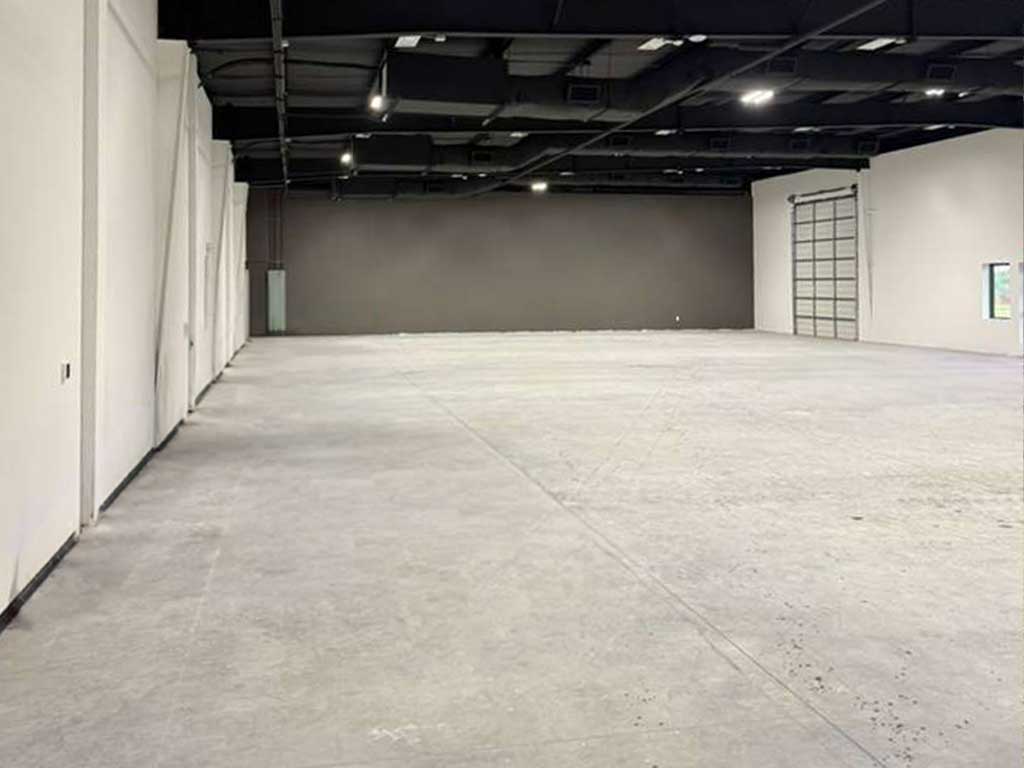 Before
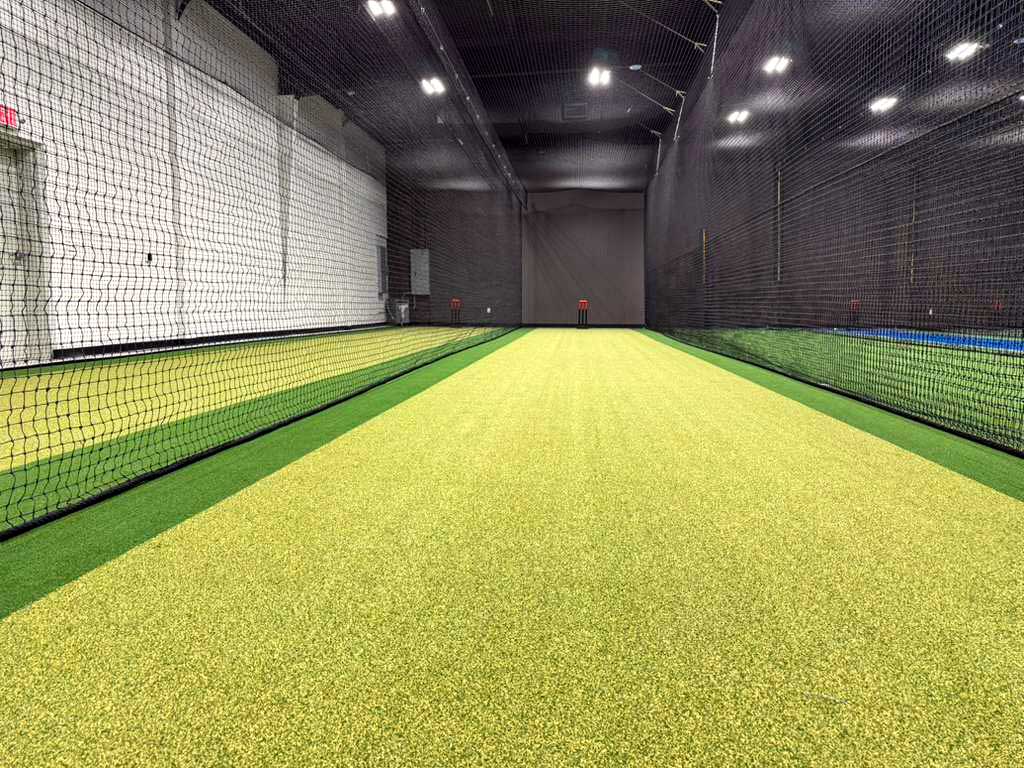 After
AfterA cricket facility is not a baseball facility
The most expensive mistake in indoor cricket is fitting out a building to batting-cage specifications and discovering it doesn't play like cricket. The two sports look similar from the parking lot. Inside, they make very different demands on a building.
| Baseball facility | Cricket facility | |
|---|---|---|
| How the ball arrives | Pitched on the full, straight into the hitting zone. The floor never touches the ball. | The ball bounces off the surface before it reaches the batter. The floor is part of the game. |
| The playing surface | Any rubber or turf floor will do the job. | An engineered wicket surface with consistent pace and bounce. Get it wrong and the facility doesn't play like cricket. |
| Lane length | A standard batting tunnel. | A full 66 ft pitch plus a bowler's run-up. Cricket lanes are longer than most batting cages allow. |
| Netting | Containment for mostly straight-line hitting. | Full 360° containment, ceiling to floor. A cricket ball flies off the bat hard in every direction. |
| Ceiling height | Cages can run low. | Height matters, for bounce, lofted shots and the bowler's release point. |
This is exactly what our design consultation resolves. We assess your building against cricket's real requirements, lane length, ceiling height, surface and netting engineering, before you commit a dollar to fit-out.
Case study
Strikers Academy / Super Kings
Strikers Academy (Super Kings Academy) in San Jose, California started as a bare concrete floor under a white steel roof. We designed and built two training environments into it: a three-lane practice facility with tensioned perimeter netting, dividing nets and retractable nets for bowling-machine work, plus a WICF-compliant box cricket court that converts into three more practice lanes.
The structure was already there. The cricket just needed to be designed in, and that's exactly what a design consultation maps out for your building.
Built to earn, not just to train
A well-designed indoor facility runs year-round, in any weather, and earns from more than one direction. We design layouts around how the venue will actually make money.
Lane hire
Bookable practice lanes, the bread-and-butter of every indoor centre.
Leagues & box cricket
Evening and weekend competitions that fill the venue during peak social hours.
Academy coaching
Junior programs and one-on-one coaching bring families back week after week.
Events & corporate
Birthdays, corporate days and community events, cricket is a social sport.
Start with a design consultation
Whether you own a building, are eyeing one, or are still working out the numbers, the first step is the same: a conversation with people who have built these facilities on three continents, from club sheds to the ICC Academy in Dubai. We'll talk through your space, your budget and what's possible. No pressure, no obligation.
Prefer a form? Request a quote →
Call or text +1 (929) 550-8166 · WhatsApp available